uksteroidsstore.com is the only website we operate. Many try to imitate us. stay alert and dont get scammed look at our 5* Reviews.

Anabolic Steroids and Long Term Performance: How Training, Recovery and Individual Response Shape Results
- Published On - October 17, 2026
- 10:09 PM
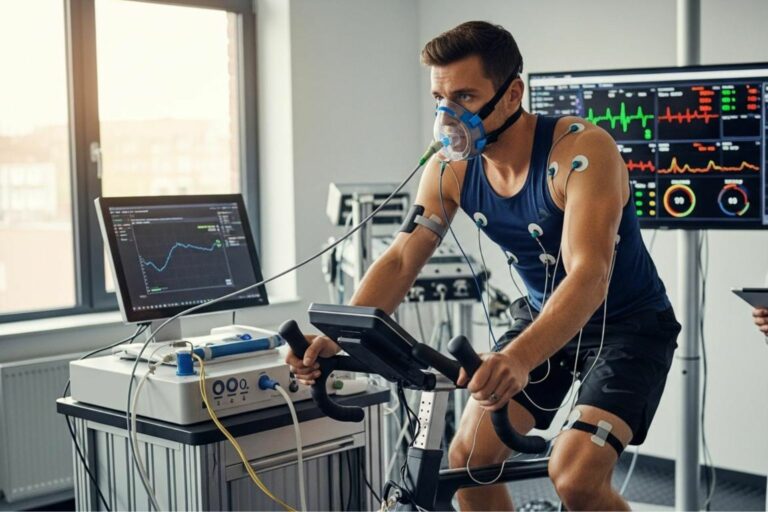
Physical performance is often judged by what can be seen or measured immediately. A heavier lift, a larger physique, a lower body fat percentage or a noticeable change in muscularity can all appear to demonstrate progress. However, long-term performance is considerably more complicated than any single measurement.
Training history, recovery, nutrition, sleep, genetics, health status and the ability to maintain consistent habits all influence how an individual develops over time. These factors also explain why people following apparently similar training programmes can experience very different outcomes.
Anabolic-androgenic steroids are frequently discussed in relation to strength, muscle development and physical performance. Yet conversations about these substances can become overly focused on immediate results, with less attention given to the broader physiological processes that influence performance over months and years.
Understanding this distinction matters. A short-term increase in strength does not necessarily demonstrate a lasting improvement in athletic ability, while a change in bodyweight does not automatically represent an equivalent change in muscle tissue. Similarly, visible muscular development cannot establish that the body’s wider physiological systems remain unaffected.
Research into anabolic steroids and long-term performance therefore needs a broader perspective. Training adaptation, recovery, individual variability and health outcomes all contribute to the picture. Examining these elements together offers a more balanced understanding of performance than relying on physique changes or personal anecdotes alone.
What Does Long-Term Performance Actually Mean?
Performance is not a single characteristic. It is a combination of physical capacities and the ability to express them consistently under different conditions.
Strength is one component, but muscular endurance, coordination, movement efficiency, work capacity and the ability to recover between demanding sessions can also influence performance. The importance of each characteristic depends on the individual and the activity being evaluated.
For someone involved in resistance training, progress might involve improved technique, greater strength across several exercises or the ability to maintain training consistency over an extended period. For another athlete, performance may be measured through speed, endurance, repeated efforts or sport-specific outcomes.
These distinctions matter when interpreting claims about performance-enhancing substances. A change in one measurement does not necessarily translate into an equivalent improvement across every other area.
Long-term performance also involves sustainability. A person might achieve an impressive result during one training session but struggle to reproduce it consistently. Another individual may progress more gradually while maintaining better movement quality, fewer interruptions and a more stable training routine.
The second pattern can be important when evaluating development across a longer period.
In research, the measurement selected must match the question being investigated. Muscle size, strength, endurance and recovery are related, but they are not interchangeable outcomes. Any meaningful discussion of anabolic steroids and performance should recognise these differences rather than treating every visible change as evidence of general athletic improvement.
Training Adaptation Is More Than Increasing Weight
Progressive training places demands on the body that encourage physiological adaptation. Resistance training, for example, involves muscular contractions, mechanical loading, coordination and the recruitment of motor units. Over time, repeated training can produce changes in strength, muscle size and movement efficiency.
However, adaptation does not occur independently of the person performing the training.
Experience influences technique and exercise selection. Training history affects the body’s previous exposure to particular demands. Exercise quality, consistency and the ability to manage fatigue can all influence the results that emerge from a programme.
Strength improvements are especially complex because they do not come exclusively from increased muscle size. Neurological adaptations, improved technique, greater confidence with a movement and better coordination can all contribute to performance.
This is one reason why early progress in resistance training may differ from progress after several years of experience. A beginner can improve through learning and adaptation, while an experienced athlete may need to consider more subtle changes in training quality and recovery to understand continued development.
Anabolic steroids are frequently discussed in relation to muscle growth, but their presence does not remove the importance of training. Nor does a reported improvement establish how much of that change resulted from one factor rather than several interacting influences.
A careful evaluation separates the biological effects of a substance from the broader conditions under which performance is measured.
Why Quick Results Can Be Misleading
Short-term changes are attractive because they are easy to notice. A difference in bodyweight, appearance or gym performance can create the impression that a particular approach has delivered a clear result.
The difficulty is determining exactly what changed.
Bodyweight includes muscle tissue, fat, water and the contents of the digestive system. Changes in hydration and glycogen storage can affect the scale without representing equivalent changes in newly developed muscle tissue.
Strength measurements can also fluctuate. Sleep quality, accumulated fatigue, motivation, exercise technique and familiarity with a test can influence the result recorded on a particular day.
Even physique comparisons can be affected by lighting, posing, camera angles, hydration and the timing of photographs.
These factors do not mean that visible improvements are meaningless. They mean that the evidence needs to be interpreted carefully.
A single measurement provides limited information about a complex process. Repeated observations, consistent testing conditions and a clear understanding of what is being measured provide a stronger basis for interpretation.
This is particularly important in discussions of anabolic steroids, where dramatic personal accounts can circulate without sufficient information about the person’s previous training, nutrition, health, other substances or the circumstances in which the result was recorded.
A reported outcome can be genuine without proving that the same outcome should be expected elsewhere.

Recovery Is Part of Performance, Not a Separate Activity
Training creates a stimulus, but the ability to respond to that stimulus depends on several interacting processes. Recovery is therefore a central part of physical development rather than simply the time spent away from the gym.
Sleep supports numerous physiological processes involved in normal functioning, while adequate nutrition supplies energy and nutrients required for everyday activity and tissue maintenance. Rest between demanding sessions also gives the body an opportunity to recover from accumulated training stress.
When these factors are inadequate, performance may become less consistent. A person might experience persistent fatigue, reduced motivation, poorer concentration or difficulty maintaining the quality of their usual training.
However, these experiences are not specific to one cause. Work demands, psychological stress, illness, insufficient food intake and other health factors can also affect recovery.
This makes recovery difficult to evaluate using a single indicator. Feeling tired after an unusually demanding session is not the same as experiencing persistent fatigue across several weeks. Likewise, one poor workout does not necessarily demonstrate that a training programme has stopped working.
The wider pattern matters.
In long-term performance research, recovery should be considered alongside training demands and the individual’s circumstances. Ignoring it can lead to misleading conclusions about why performance changes, whether progress is continuing or why a previously manageable routine has become difficult to sustain.
Individual Response: Why the Same Conditions Do Not Produce Identical Results
One of the most important principles in performance research is that individuals do not respond identically to the same stimulus.
People differ in genetics, age, body composition, training experience, nutrition, sleep patterns, medical history and numerous other characteristics. These differences can influence both baseline performance and the changes observed over time.
Two people may follow similar resistance-training programmes yet develop strength at different rates. Their movement mechanics may differ, their previous training exposure may be unequal, and their ability to recover from demanding sessions may not be the same.
The same principle applies when researchers investigate anabolic-androgenic steroids. A result observed in one participant cannot automatically be treated as a prediction for another individual.
Differences in the substance studied, exposure, underlying physiology, other medications and existing health conditions can complicate comparisons. Study design also matters: research conducted over a short period may not answer questions about long-term outcomes.
This is why claims based on a single person’s experience should be treated as individual observations rather than universal evidence.
For a broader examination of how one specific compound is discussed in relation to strength and performance, the UKSS article on Dianabol and methandienone research provides a separate compound-focused perspective.
The distinction is important. Compound-specific information and broader performance research address different questions, and neither should be used to promise a particular outcome.
Muscle Growth, Strength and Body Composition Are Different Measurements
Muscular development is often treated as synonymous with improved strength, but the relationship between the two is not perfectly linear.
Muscle size can contribute to force production, yet strength also depends on neurological factors, technique, leverage, coordination and the demands of the specific movement being tested.
An individual can improve strength through better movement efficiency without experiencing a proportionate change in muscle size. Conversely, an increase in muscle size does not guarantee an equivalent improvement in every exercise.
Body composition introduces another layer of complexity. Changes in total bodyweight can reflect several different tissues and fluid compartments, making it difficult to interpret the scale without additional context.
This is particularly relevant when evaluating short-term transformations. A photograph might show a visibly fuller physique, but the image alone cannot establish how much of the difference represents new muscle tissue, changes in hydration or other factors.
Reliable interpretation requires measurements that match the question being asked.
If the question concerns strength, strength should be assessed directly under reasonably consistent conditions. If the question concerns body composition, bodyweight alone may not provide sufficient information. If the question concerns health, appearance and gym performance cannot substitute for appropriate clinical assessment.
Keeping these categories separate helps prevent overstated claims and creates a more useful framework for understanding long-term development.
The Role of Nutrition in Sustained Physical Development
Nutrition influences the body’s ability to support training and normal physiological function. Energy intake, dietary variety and adequate nutrient availability all contribute to the broader conditions in which physical adaptation occurs.
When energy intake is persistently insufficient for an individual’s needs, maintaining training performance and supporting recovery can become more difficult. Inadequate dietary variety may also leave nutritional requirements unmet.
At the other extreme, simply increasing food intake does not guarantee that every additional change in bodyweight will represent muscle development. Total energy intake, activity levels, training quality and individual physiology all affect the outcome.
Protein is relevant because it supplies amino acids used in the maintenance and development of body tissues. Carbohydrates contribute energy for many forms of demanding physical activity, while dietary fats and micronutrients also support normal physiological processes.
The specific nutritional requirements of an individual depend on their circumstances. There is no single dietary pattern that automatically produces the same outcome for everyone.
These principles remain relevant when interpreting claims about anabolic steroids. A substance cannot make nutritional status irrelevant, and reported changes in physique cannot be understood fully without considering the conditions surrounding training and food intake.
A balanced evaluation recognises nutrition as one part of a wider system rather than attributing every change in physical development to a single factor.
Sleep, Fatigue and Training Consistency
Sleep is sometimes treated as a secondary concern compared with training volume or exercise selection. In reality, sleep is closely connected with attention, mood, normal physiological function and the ability to perform consistently.
Poor sleep can make demanding sessions feel harder and may affect concentration and coordination. Persistent sleep disruption can also make it more difficult to maintain a regular training schedule.
Fatigue itself is not always a sign of inadequate recovery. Some fatigue is an expected response to physical activity. The relevant question is whether the overall pattern remains compatible with normal functioning and sustainable participation.
A person who regularly struggles with fatigue may have several possible contributing factors, including insufficient sleep, inadequate energy intake, psychological stress, illness or an underlying health condition. It would be misleading to attribute these symptoms automatically to training or to any particular substance.
Consistency is also more than the number of days spent in a gym. It includes the ability to sustain appropriate training quality without repeated interruptions that undermine longer-term participation.
In performance research, these details matter because a brief period of improvement does not necessarily demonstrate that an approach is sustainable. A useful assessment considers both the result achieved and the circumstances required to maintain it.
Health Outcomes Must Be Considered Alongside Performance
Any serious discussion of anabolic steroids and long-term performance must distinguish athletic outcomes from health outcomes.
An improvement in one physical measurement does not establish that every other aspect of health has improved. The ability to lift more weight, for example, cannot determine whether cardiovascular, liver, kidney or endocrine function remains unaffected.
The NHS identifies several potential complications associated with anabolic steroid misuse, including cardiovascular problems, high blood pressure, changes in cholesterol and liver or kidney problems. These risks are relevant even when a person’s visible appearance or gym performance seems positive.
A clinical practice guideline published in the British Journal of General Practice also discusses the importance of interpreting relevant blood tests in context when assessing people using anabolic-androgenic steroids. It addresses areas such as hormone measurements, liver function, kidney-related markers, blood count and lipids.
These considerations do not mean every individual will experience the same adverse effects. They do mean that physical performance alone is an inadequate measure of overall health.
The distinction is fundamental. Athletic progress and health status are related aspects of human physiology, but they are not interchangeable outcomes. Research that measures one should not claim to have established the other without appropriate evidence.
Cardiovascular Health and the Limits of Appearance
Muscularity and visible fitness can create an impression of health, but appearance is not a comprehensive assessment of cardiovascular function.
Blood pressure and cholesterol are examples of measurements that may be abnormal without producing obvious symptoms. Their significance depends on the wider clinical picture, including individual health history and other relevant findings.
Anabolic steroid misuse has been associated with cardiovascular concerns, making this an important area of research beyond muscle development.
The implication is not that appearance has no value. Rather, it should not be used to infer that every internal physiological system is functioning normally.
The same caution applies to performance. A person may continue training successfully while relevant health markers change. Conversely, a poor training session does not necessarily indicate a medical problem.
Different questions require different forms of evidence. Physical performance should be assessed through appropriate performance measurements, while health concerns require suitable clinical evaluation.
Why Product Quality and Research Quality Are Different Questions
When evaluating claims about anabolic steroids, it is also important to distinguish product-related questions from questions about long-term performance.
Product identity, manufacturing consistency, labelling and the reliability of available information concern what a product is represented to contain and how confidently those claims can be assessed.
Performance research asks a different set of questions. It examines measured outcomes, study design, participant characteristics, duration and the limitations of the evidence.
Neither category answers every question in the other.
A product description cannot independently establish long-term effectiveness or safety. Similarly, a study investigating a particular compound does not automatically verify the quality or authenticity of every product sold under that name.
Readers interested in this distinction can consult the UKSS article on Dianabol and methandienone product research, which examines compound identity, formulation and product-quality considerations.
The wider lesson is that claims need to be evaluated according to the type of evidence available. Commercial descriptions, individual experiences, laboratory findings and clinical research have different purposes and different limitations.
A careful approach avoids treating them as interchangeable proof.
Why Long-Term Research Requires More Than Anecdotes
Personal experiences can raise interesting questions, but they rarely provide enough information to establish cause and effect.
Someone might report improved performance after making several changes to their routine. Unless those changes and the relevant circumstances are understood, it may be difficult to determine how much each factor contributed.
The same problem occurs when people compare results online. Differences in training experience, diet, sleep, health, measurement methods and reporting accuracy can make apparently similar cases difficult to compare.
Scientific research attempts to address these limitations through defined methods, measurable outcomes and transparent reporting. The quality of the conclusions still depends on the design of the study, the number and characteristics of participants, the duration of observation and the limitations acknowledged by the researchers.
No single study answers every question. Findings may also differ between populations or when researchers examine different outcomes.
For long-term performance, duration is especially important. Short-term changes cannot automatically establish what will happen after years of exposure, continued training or changes in health status.
The strongest interpretation is therefore proportionate to the evidence. A finding should be described in terms of what was actually measured, rather than extended into claims the research did not establish.

The Importance of Measuring Progress Consistently
A more reliable understanding of physical development begins with defining the outcome being evaluated.
Strength, endurance, muscle size, bodyweight and general wellbeing each describe different aspects of a person’s condition. Recording one does not provide a complete account of the others.
Consistency in measurement also matters. Comparisons become less meaningful when exercise technique changes substantially, testing conditions vary or photographs are taken under different circumstances.
The purpose of measurement is not to create a perfect picture of human performance. It is to reduce avoidable uncertainty and make changes easier to interpret.
This principle is useful for both research and ordinary training. It encourages people to distinguish a temporary fluctuation from a sustained pattern and to avoid drawing broad conclusions from isolated observations.
For research involving anabolic steroids, the same discipline is essential. If a study reports a change in one outcome, that finding should not automatically be extended to other outcomes that were not measured.
Clear definitions, consistent measurements and honest acknowledgment of limitations make performance information more useful.
Long Term Performance Is a Broader Physiological Picture
Training, nutrition, sleep, recovery, individual physiology and health status interact over time. None can explain every aspect of physical development independently.
Anabolic steroids are studied in relation to certain physiological and performance outcomes, but understanding those outcomes requires attention to the conditions in which they occur. A change in strength may involve several contributing factors, while a change in bodyweight may reflect more than muscle tissue alone.
Individual differences make universal predictions particularly unreliable. Research findings describe the outcomes observed under particular conditions; they do not guarantee that another person will experience the same result.
Health considerations are equally important. Physical progress does not establish that cardiovascular, liver, kidney or hormonal health is unaffected, and the absence of obvious symptoms does not prove that every relevant health measure is normal.
A broader perspective does not make performance research less useful. It makes the conclusions more accurate by keeping each measurement within its proper context.
Final Thoughts
Long-term performance is not defined by one impressive workout, a rapid change in bodyweight or a single before-and-after photograph. It involves sustained physical capacity, training adaptation, recovery, individual variability and the ability to maintain progress over time.
Research into anabolic steroids should be interpreted with the same care. Compound-specific findings, reported personal experiences and measurable performance changes can provide different types of information, but they should not be treated as equivalent evidence.
Training quality, nutrition, sleep and recovery remain important elements of physical development. Individual circumstances influence outcomes, and health considerations extend beyond what can be observed in the gym.
Most importantly, improved performance should not be treated as proof of improved overall health. The potential complications associated with anabolic steroid misuse make that distinction essential.
A more complete understanding comes from examining the evidence, recognising the limits of individual measurements and considering physical outcomes alongside the wider physiological picture.
Long-term performance is about more than the result achieved. It is also about understanding what that result actually tells us.