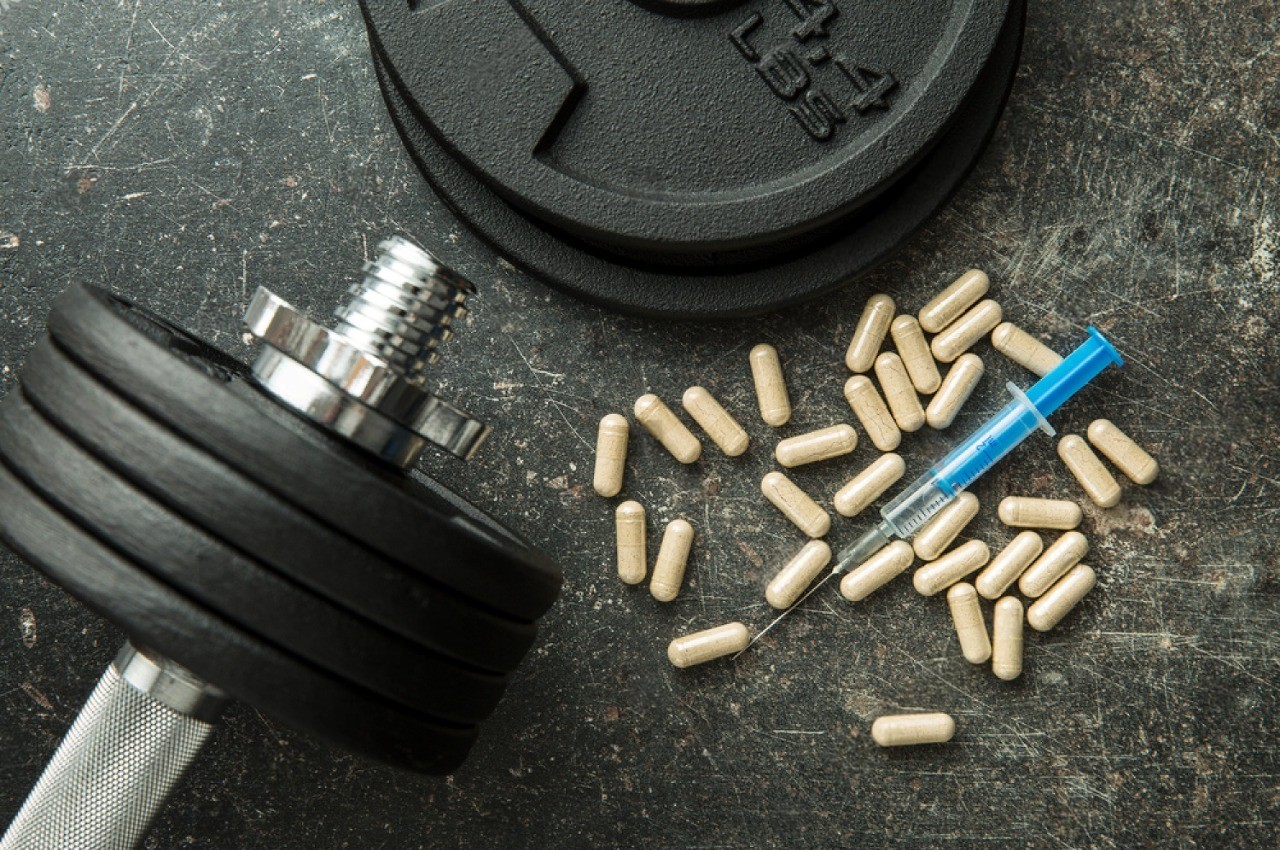
The UK fitness scene has changed dramatically over the last decade. Alongside traditional anabolic steroids, SARMs (Selective Androgen Receptor Modulators) have taken centre stage, and for good reason. Yet beginners and experienced users alike often struggle to understand the real differences between the two.
The key differences between the anabolic steroids and SARMs lie in their selectivity. While steroids activate all the androgen receptors (AR) in the body without discriminating, SARMs target only the selected receptors in the skeletal muscle and bone, reducing unwanted androgenic effects elsewhere.
Key Takeaways:
- SARMs bind selectively to androgen receptors in muscle and bone tissue, unlike steroids, which act systemically throughout the body.
- Both steroids and SARMs carry genuine side effects; neither is risk-free.
- Post Cycle Therapy (PCT) is strongly recommended after both steroid and SARMs cycles.
The field of performance enhancement in the UK has seen a rapid shift. Along with anabolic steroids, SARMS (Selective Androgen Receptor Modulators) have taken the fitness world by storm.
However, beginners often find it difficult to understand the key differences between steroids and SARMS. If you are browsing ‘how to take SARMs’, you’ve likely encountered a lot of conflicting information. This guide cuts through the noise. We cover exactly how steroids and SARMs differ, their mechanisms, side effects, detection times, and everything else you need to make an informed decision.
But, before that, let’s first try to understand what steroids and SARMs are.
What are Steroids?
Anabolic-androgenic steroids (AAS) are synthetic derivatives of testosterone, the primary male sex hormone responsible for muscle growth, strength, and recovery. When introduced into the body, they bind to androgen receptors (AR) throughout virtually every tissue, triggering a broad cascade of hormonal effects.
In a performance context, steroids are used to accelerate protein synthesis, dramatically increase nitrogen retention, and support rapid gains in size and strength.
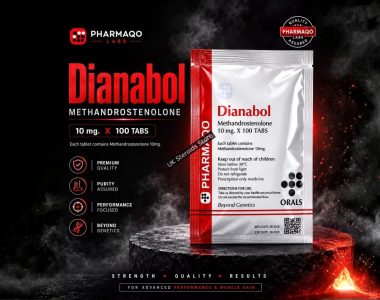
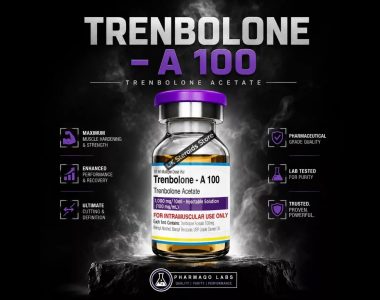
Popular anabolic steroids in the UK include:
Anabolic steroids and performance-enhancing compounds are generally classified into two categories: oral steroids and injectable steroids. While oral compounds are often preferred for convenience and shorter cycles, injectable steroids are commonly chosen for longer-lasting effects, stable hormone levels, and reduced liver strain. In addition, ancillary medications and post-cycle therapy (PCT) compounds are frequently used to manage side effects and support hormonal recovery.
- Testosterone (Enanthate/Cypionate): The base of almost every steroid cycle.
- Winstrol (Stanozolol): Winstrol is famous for dry, hard gains and cutting.
- Anavar (Oxandrolone): Anavar is often favoured for its mild nature and strength gains.
| Injectable Steroids | Oral Steroids | Cutting & Performance Compounds | PCT & Support Medications |
|---|---|---|---|
| Testosterone | Anadrol | Anavar | Clomid |
| Deca (Nandrolone Decanoate) | Dianabol | Winstrol | Nolvadex |
| Trenbolone | Turinabol | Primobolan | Arimidex |
| Sustanon | Anavar | Masteron | Proviron |
| Boldenone (Equipoise) | Clenbuterol | HGH | HCG |
| Nandrolone | Winstrol | Testosterone (oral variants) | — |
Table: Anabolic Steroids
Now, let’s look at what SARMs are and how they are different from steroids.
What Are SARMs?
SARMs, or Selective Androgen Receptor Modulators, are synthetic compounds engineered to bind to androgen receptors in a tissue-selective manner, meaning they preferentially target skeletal muscle and bone rather than organs such as the prostate, liver, or scalp.
How do SARMs Work?
When a SARM binds to an androgen receptor, it triggers conformational changes that activate anabolic signalling in muscle and bone tissue specifically. Unlike steroids, which cause a broad systemic hormonal cascade, SARMs are designed to limit their activity to selected tissues.
A further distinction: SARMs do not aromatise into oestrogen. This means the risk of oestrogen-related side effects, such as gynaecomastia, water retention, and excess fat gain, is significantly lower compared to traditional steroids.
Popular SARMs available in the UK include:
- Ostarine (MK-2866): An excellent entry-point SARM for lean muscle preservation, recovery, and mild gains.
- Ligandrol (LGD-4033): Considered the most steroid-like SARM in terms of mass and strength output.
- RAD-140 (Testolone): Popular for explosive strength gains, vascularity, and overall athletic performance.
- Andarine (S4): Used in cutting cycles for lean mass retention
At UKSteroidsStore, we supply verified, genuine SARMs from reputable manufacturers shipped discreetly across the UK.
Steroids vs SARMs: A Direct Comparison
Here are the key differences between steroids and SARMs.
| Features | Anabolic Steroids | SARMs |
| Potency | High to extreme. | Low to moderate. |
| Mechanism | Systemic | Selective |
| Administration | Mostly injectable | Mostly oral |
| Liver Toxicity | High | Moderate to high |
| Detection Time | Long | Short to Medium |
Table: Fundamental Distinctions Between Steroids and SARMs
Side Effects of Steroids and SARMs
Every anabolic steroid and synthetic compounds come with side effects. Whether you take the traditional AASs or modern alternatives, you should know the biological cost that comes with these.
Side Effects of Steroids
Because steroids are systemic, the steroids side effects can influence different organs.
- Oestrogenic issues: Gynaecomastia (development of male breast tissue) and water retention.
- Androgenic issues: Accelerated male pattern baldness and acne.
- Cardiovascular strain: Steroids can negatively affect HDL / LDL cholesterol levels and increase blood pressure.
- Natural suppression: Anabolic steroids can lead to a complete shutdown of natural testosterone production, which needs Post Cycle Therapy (PCT).
SARMs Side Effects
There is a common misconception among UK users that SARMs are ‘side-effect-free’. In reality, there are some notable SARMs side effects, including:
- Testosterone suppression: SARMs can also suppress natural hormone production. However, it is less than steroids.
- Vision changes: particular SARMs like S4 (Andarine) can cause a yellow tint or night-blindness.
- Liver stress: Many SARMs are methylated to survive digestion, putting pressure on the liver.
How Long Do SARMs Stay in Your System?
Many athletes opt for SARMs in the UK, thinking that they would dissolve into the system instantly. However, the reality is different. Before starting to consume them, you need to know how long do SARMs stay in your system.
While the half-life of most SARMs is 24 to 36 hours, their metabolites can be detected for much longer. SARMs like Ostarine and Andarine can typically show up in your system for up to 2 weeks, according to a study. Depending on the SARMs, the period of their stay in your system can vary.
According to controlled single-dose administration studies used by anti-doping organisations:
- Ostarine (MK-2866): Detectable in urine for approximately 2 weeks after a single 30 mg dose, based on metabolite tracking.
- Andarine (S4): Similarly detectable for approximately 2 weeks after a single 60 mg dose.
- Ligandrol (LGD-4033): Detectable for up to 20.5 days, with 11 distinct metabolites identified.
- RAD-140 (Testolone): Detectable for approximately 8 days after a single 10 mg dose.
It is important to note that these figures are based on single-dose studies. Repeated administration or higher doses will extend detection windows further. Anti-doping bodies such as WADA have increasingly sophisticated LC-MS/MS testing methods capable of identifying both parent compounds and their metabolites.
Half-life context: Most SARMs have a half-life of 24 to 36 hours. However, half-life and detection window are not the same; metabolites persist in urine far longer than the active compound itself.
How to Take SARMs Safely?
If you are planning to consume SARMs, knowing how to take SARMs appropriately can make a difference between a cycle and a health complication.
Here is how you can initiate a SARM cycle:
1. Start Slow
Start with the lowest possible dose. This way, you can measure the tolerance level of your body.
2. Cycle Length
The cycle length should be limited to 8 to 12 weeks. Prolonged usage of SARMs can increase liver strain and suppression in the body.
**Cycle length mentioned here is indicative and for educational purposes. Always consult a healthcare professional before starting a cycle and determining a cycle length.**
3. Support Supplements
Use a high-quality support supplement compound, which contains TUDCA or Milk Thistle for liver protection.
4. Do Not Skip PCT
Without PCT, your testosterone levels will be lower. Use a mild PCT (such as Nolvadex or Clomid), which will help kickstart the natural production of testosterone in your body.
Looking for authentic PCT supplements? At UKSteroidsstore, we provide high-quality PCT supplements for you to keep your hormonal levels in balance.
5. Monitor Bloodwork
Get pre-cycle, mid-cycle, and post-cycle blood panels to track testosterone levels, liver enzymes (AST/ALT), and lipid profiles. This is the only reliable way to understand how your body is responding.
Are Liquid SARMs Better Than Pills?
This is one of the most common questions from UK buyers. The short answer: there is no robust scientific evidence demonstrating that liquid SARMs absorb meaningfully better than capsules.
Liquid SARMs allow more flexible dosing and may act slightly faster due to sublingual absorption in some cases, but the difference is marginal for most users. Capsules, on the other hand, offer greater convenience, longer shelf life, more consistent dosing, and are considerably more discreet to carry and use.
For beginners, capsules are generally the more practical choice.
The Verdict: SARMs or Steroids, Which are Safer?
The question that keeps coming to the minds of the user is: Are SARMs safer than steroids? However, the answer depends on the dose you aim to take.
In terms of relative risk at low doses, A conservative cycle of Ostarine at a low dose is likely to produce fewer immediate side effects than a heavy cycle of Trenbolone or high-dose testosterone. On this narrow comparison, SARMs appear more manageable.
In terms of long-term safety, Steroids have decades of clinical research, meaning their side effect profile — while serious — is well characterised and can often be managed with appropriate ancillaries and monitoring. SARMs, by contrast, have not completed long-term clinical trials in humans. We simply do not know what sustained multi-year SARMs use does to the cardiovascular system, liver, or endocrine function.
The honest conclusion: Neither is without risk. The comparative safety of SARMs over steroids is context-dependent, dose-dependent, and complicated by the lack of long-term human data on SARMs. Any decision to use either compound should be made with full awareness of the risks involved, and ideally under medical supervision.
Buy High Quality SARMs from UKSteroidsstore!
Looking to start a SARMs cycle with confidence? Explore the complete range of verified SARMs at UKSteroidsStore — authentic products, competitive pricing, and discreet UK delivery.
We also stock a full range of PCT supplements, liver support compounds, and anabolic steroids for those looking to take their training further.
Frequently Asked Questions (FAQs)
1. Are Liquid Sarms Better Than Pills?
If you have ever searched for SARMs in the UK, you may have noticed that they come in two main forms. However, there is no noticeable scientific evidence that says that liquid SARMs absorb better than capsules. On the other hand, if you are a newcomer, the pills are better because they have a longer shelf-life and they are more discreet.
2. Can I Stack SARMs and Steroids Together?
Stacking SARMs with anabolic steroids is possible, but it significantly increases strain on the liver, kidneys, and endocrine system. It is not recommended for beginners or those in their first several cycles. The combined suppression and hepatic load require careful management and monitoring.
3. Can Women Take SARMs?
Women often prefer SARMs (like Ostarine) or mild steroids (like Anavar) because they carry a low risk of virilisation (Developing masculine traits) compared to the harsher compounds.
4. Will SARMs Cause Hair Loss?
SARMs are designed to be selective, which means that they target selective muscle over the scalp. They are significantly less likely to cause hair loss than other steroids like Trenbolone, high dosages can still lead to thinning in sensitive individuals.
5. What Are Steroids, and How Do They Differ from SARMs?
Anabolic steroids are synthetic testosterone derivatives that bind to androgen receptors throughout the entire body, producing powerful but non-selective hormonal effects. SARMs are engineered to be tissue-selective, targeting primarily muscle and bone while sparing organs such as the prostate and liver. Steroids are Class C controlled substances in the UK; SARMs are not.
6. What Are the Main Side Effects of Sarms Compared to Steroids?
Both carry side effects. Steroids cause systemic effects, including potential full testosterone shutdown, gynaecomastia, severe acne, hair loss, cardiovascular strain, and liver stress (with oral compounds). SARMs cause milder but real testosterone suppression, possible vision changes (S4/Andarine), liver enzyme elevation, and HDL/LDL lipid disruption. Neither is side-effect-free.
7. How Long Do Sarms Stay in Your System?
Detection times vary by compound. Based on controlled research studies, Ostarine and Andarine are detectable for approximately two weeks; Ligandrol (LGD-4033) for up to 20 days; and RAD-140 for approximately eight days following a single dose. Repeated or higher-dose use extends these windows. WADA tests specifically for SARMs using advanced LC-MS/MS urine analysis.
8. Are Liquid Sarms Better Than Pills?
There is no strong scientific evidence that liquid SARMs offer superior absorption compared to capsules. Liquid forms allow more flexible dosing, while capsules offer longer shelf life, consistent dosing, and greater discretion. For most users, especially beginners, capsules are the more practical and reliable choice.